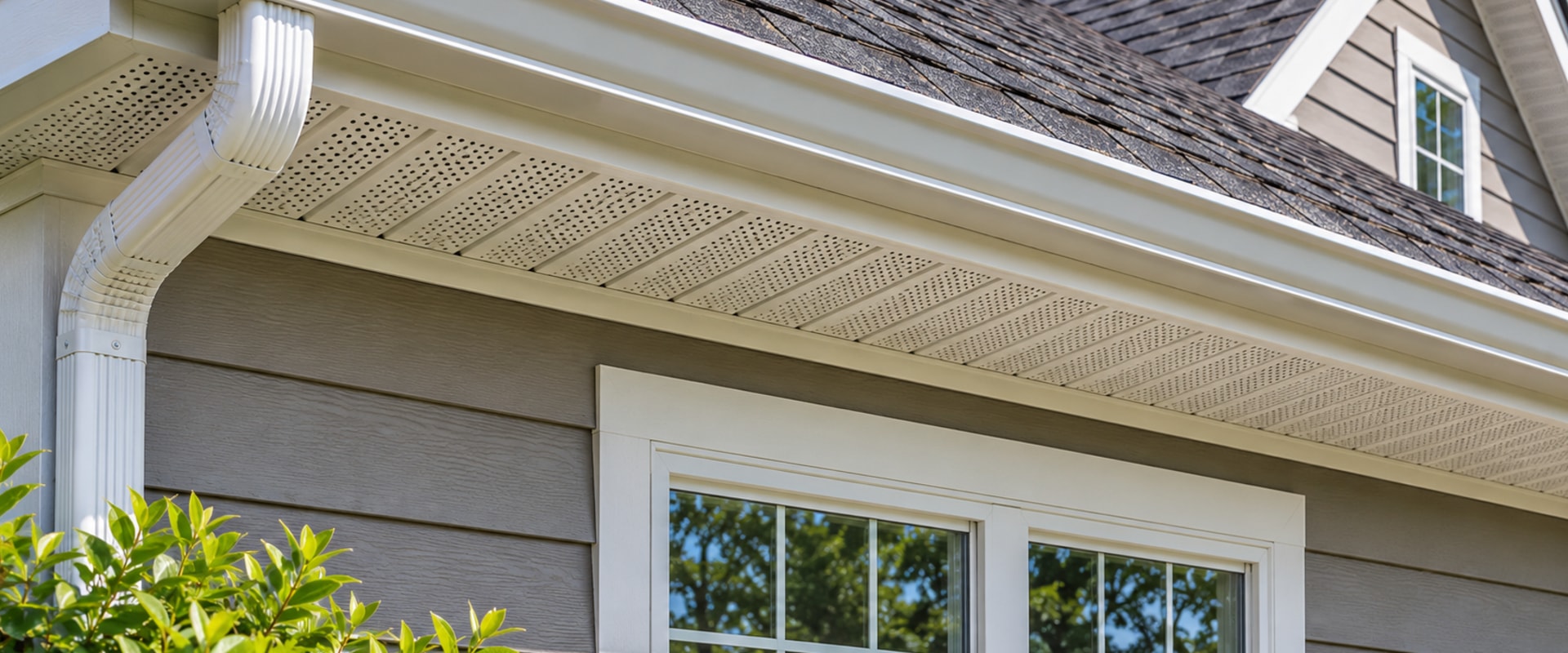
Adding attic insulation should not accidentally close the air path at the eaves of a vented attic. Before an insulation upgrade, ask how the contractor will preserve the ventilation system already serving the roof.
First identify the attic design
The Building America Solution Center distinguishes vented attics, with the thermal boundary at the ceiling, from unvented assemblies insulated at the roof line. Those are different designs. Do not add vents to an intentionally unvented assembly or block vents in a vented one without a qualified assessment of the whole assembly.
Have the contractor identify which design your home uses before agreeing on changes. The right approach depends on the building, climate and location of equipment.
Keep the soffit air path open
In a vented attic, lower soffit vents provide incoming air and higher vents provide an exhaust route. Baffles, also called rafter vents, maintain a passage beside the roof deck and help stop insulation from blocking soffit openings.
ENERGY STAR identifies covering soffit vents with insulation as a common mistake. Insulation and ventilation have different jobs: insulation limits heat transfer, while the designed air path lets outdoor air pass through the vented space.
Ask for a coordinated scope
- Which existing vents supply and exhaust air?
- How will insulation be kept out of the soffit openings?
- Are existing baffles intact and suitable for the planned insulation depth?
- How will air leaks from the rooms below be addressed?
- What photographs will document the completed work?
The dimensions and placement of baffles should follow the applicable design and installation requirements. A general description of “more insulation” does not answer those details.
Review moisture concerns as a system
ENERGY STAR explains that air sealing and insulation also help keep warm, moist indoor air out of a cold attic. Treating ventilation as the only variable can miss part of the problem. For related context, see our article on attic insulation and ice dams.
If there are stains, damp insulation or damaged roof components, ask for the cause to be evaluated before covering the area with new material. Keep the assessment and completion photos with your home maintenance records.


